Determining Fault in a Rear-End Collision
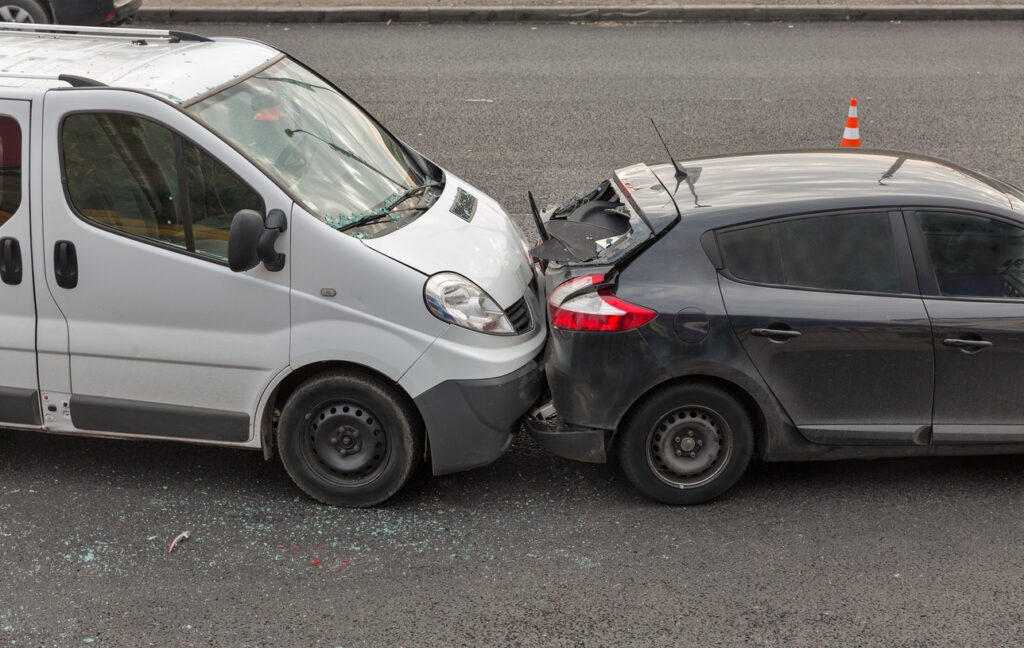
Rear-end collisions have many causes, and it’s crucial to investigate the cause(s) and any contributing factors to determine who was at fault in the crash. Sometimes it’s the tailing driver, other times it’s the leading driver, and there are also situations in which other parties are at fault for what happened.
Our rear-end car crash lawyers want to look at situations in which the tailing driver, the lead driver, and other parties may be at fault. We’ll then consider how partial fault and the sudden emergency doctrine can affect rear-end crash cases.
If you’ve been hurt in a car wreck, you can trust the team at Elrod Pope Accident & Injury Attorneys. We live and work in the cities we serve. We want to help our neighbors in whatever way we can. For a free case review, contact our law firm today.
Key Takeaways
- The tailing driver in a rear-end collision may be at fault if they were driving too close to the vehicle ahead of them, driving while distracted, driving under the influence, or failed to perform necessary vehicle maintenance.
- The lead driver in a rear-end collision may be at fault if their brake lights are broken, they hit the brakes very suddenly, they unsafely turned or merged, or they suddenly drove in reverse.
- Other parties could be at fault in a rear-end crash depending on what happened. This may include other drivers on the road, automakers, the makers of defective auto parts, repair or maintenance crews, or local road authorities.
- It’s possible for multiple parties to be at fault in a rear-end accident or multi-car wreck. The liable party and their share of fault will depend on what occurred during the crash.
- The sudden emergency doctrine can protect a motorist in a rear-end crash if they got into an accident because of an unforeseen emergency that arose through no fault of the driver’s own requiring immediate action.
When Is the Tailing Driver at Fault for a Rear-End Crash?
Here are a few situations in which the tailing driver would be at fault in a rear-end collision.
Tailgating/Driving Too Close
Driving too close to a lead vehicle means a much shorter stopping time/distance, even if the lead driver is being responsible. The tailing driver can be held liable.
Distracted Driving
Texting while driving, looking up directions, rubbernecking, and eating behind the wheel can cause major distractions that may contribute to a rear-end crash. Our distracted driving crash lawyers can hold motorists accountable when they fail to pay attention.
Driving Under the Influence of Drugs or Alcohol
When people drive while intoxicated, it puts countless motorists, pedestrians, and bicyclists in danger. Our DUI accident lawyers can hold impaired drivers accountable, seeking maximum compensation for your injuries and financial losses.
Driver Fatigue
When people are sleepy or tired, their reaction times are much slower, which could mean the difference between a rear-end crash and a near miss. This is a major issue in tractor-trailer and semi-truck accidents, though driver fatigue can also impact Uber/Lyft drivers and commuters.
Lack of Vehicle Maintenance
When drivers fail to get their brakes checked, it could result in longer stopping distances. This could be a factor in a serious rear-end crash.
When Is the Lead Driver at Fault a Rear-End Crash?
The rear driver is not always 100% liable for a rear-end collision. Here are a few situations in which the lead driver would be at fault in a rear-end car wreck.
Broken Tail Lights
If the lead driver’s tail lights are broken or don’t function properly, they could be held liable for failing to fix or replace their brake lights and contributing to a rear-end crash.
Brake Checking/Sudden Braking
If a lead driver suddenly slams on the brakes or even taps the brakes without a justifiable reason, they could be held liable for causing a rear-end accident.
Unsafe Merging or Changing Lanes
If a lead driver suddenly slows down as they turn or merge, they could be held liable for endangering the driver(s) behind them and causing a rear-end car wreck.
Suddenly Driving in Reverse
If a driver is not paying attention and shifts into reverse at a red light or in stop-and-go highway traffic, they can be held liable for causing a rear-end crash.
When Can Other Parties Be Held Liable for a Rear-End Car Accident?
The drivers of the vehicles in a rear-end crash are not the only potentially liable parties. Other parties can be held liable depending on the nature of the collision.
Faulty Vehicle Design or Auto Parts
When issues with brake design, brake components, steering systems, or electrical wiring contribute to rear-end crashes, auto companies or the makers of auto parts can be held accountable for a collision.
Poor Repairs or Maintenance
Problems with brake repairs and brake maintenance can contribute to crashes. Negligent mechanics and technicians can be held liable if their actions contributed to a collision.
Other Drivers on the Road
If other drivers cause someone to slam on the brakes or swerve into another lane leading to a rear-end crash, they can be held liable for contributing to the collision.
Issues with a Commercial Driver’s Employers
When a trucker, delivery driver, or other kind of commercial driver is pushed to operate without sufficient rest or has to rush to meet deadlines, this could result in rear-end crashes. The employer of the driver may be liable for accidents.
Unsafe or Poor Road Conditions
Pot holes, missing signs, broken traffic lights, and lack of lane markings (e.g., white lines and yellow lines) can make driving conditions more dangerous. When these factors play a role in a rear-end crash, local road authorities could be held liable.
How Modified Comparative Negligence Affects Compensation in Read-End Crashes
When the rear driver, the lead driver, and/or other parties share fault for a rear-end crash, modified comparative negligence comes into play.
Under South Carolina’s modified comparative negligence rule, you can seek compensation if you are 50% or less at fault for a rear-end crash. Your compensation would be reduced based on your share of fault in the collision.
For example, say that you were in a rear-end crash on Cherry Road downtown. You are awarded $100,000 in compensation, but you’re found to be 10% at fault for the accident. Thanks to modified comparative negligence, you would still receive $90,000 in compensation.
Can I Still Pursue Compensation If My Brake Lights Were Not Working During a Rear-End Crash?
Potentially, yes, even if you were the lead driver in the rear-end collision. This really depends on the reason the brake lights were not working as well as the actions of the tailing driver. For instance, your brake light may not have worked because of a design defect or a wiring error in your vehicle.
Don’t assume the crash was your fault. Our Rock Hill car accident lawyers will carefully investigate the cause and contributing factors in your rear-end car wreck and let you know if you are still eligible for compensation.
How Is Liability Assigned in a Multi-Vehicle Chain-Reaction Crash?
This depends on the nature of the collision and the share of fault for all parties involved. There’s no set formula or approach to this, and it’s important for attorneys and accident investigators to carefully review what happened in the collision. From the facts of the crash, we can then determine who can be held liable.
A Note on North Carolina’s Pure Contributory Negligence Rule
While South Carolina allows partial fault in a crash, North Carolina does not.
Under North Carolina’s pure contributory negligence rule, you cannot seek compensation if you are even 1% at fault for an incident. North Carolina is one of the few states in the U.S. with this extremely strict rule regarding partial fault.
The Sudden Emergency Doctrine in South Carolina
The sudden emergency doctrine protects people who are confronted by an unexpected dangerous situation to which they must respond. These kinds of emergencies occur through no fault of the driver’s own, and drivers are not held liable given the nature of the sudden emergency.
Here are the key elements of the sudden emergency doctrine in South Carolina with regard to car crashes:
- There Was a True Emergency: The danger that the person reacted to was real.
- This Emergency Was Unforeseen: The danger could not have been expected or reasonably foreseen.
- This Was Not the Fault of the Driver: The driver did not cause or contribute to the dangerous situation through their own negligence.
- The Driver Faced a Split-Second Choice: The driver had no time to reflect or carefully judge how to respond and needed to react immediately.
- The Driver Reacted Prudently: The person acted in a way that other reasonably prudent people may have acted.
Example: An Unexpected Medical Emergency While Driving
For example, say that someone suffered a sudden heart attack while driving their vehicle. They are in good health and have followed all of their doctor’s orders. They slammed on the brakes while suffering the heart attack, but they were unable to come to a complete stop and struck the car ahead of them.
Given the nature of this particular situation, the driver who suffered a heart attack is not likely to be held liable for causing the crash.
High-Risk Areas for Rear-End Crashes in Rock Hill, SC
Some high risk roads and areas for rear-end crashes in Rock Hill include:
- Cherry Road
- Celanese Road
- Dave Lyle Boulevard
- East Main Street & Confederate Avenue
- North Anderson Road & Nations Ford Road
How Elrod Pope Accident & Injury Attorneys Can Help After a Rear-End Crash
If you’ve been in a rear-end collision, our personal injury lawyers in South Carolina and North Carolina will carefully investigate what happened and hold all liable parties responsible. We will also consider the full extent of your injuries and how they have impacted your life so you can receive maximum compensation.
We can also push back against allegations of partial fault that may be used to reduce payouts or bar you from receiving any compensation whatsoever.
Contact Our Lawyers About Your Rear-End Accident
We know just how bad a rear-end crash can be. Our lawyers live in the cities we serve. We drive these streets, and there’s a chance we’ve seen you at stores and on streets in the area. Let our attorneys fight for you to secure maximum compensation.
For a free, no-obligation consultation, contact our personal injury law firm today. Elrod Pope Accident & Injury Attorneys has multiple offices throughout South Carolina and North Carolina.